Simple Flower Patterns for Creative Designers
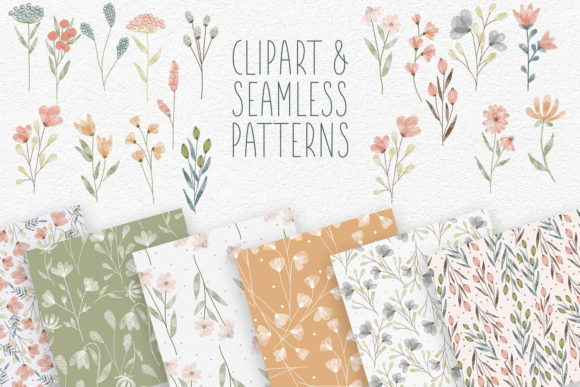
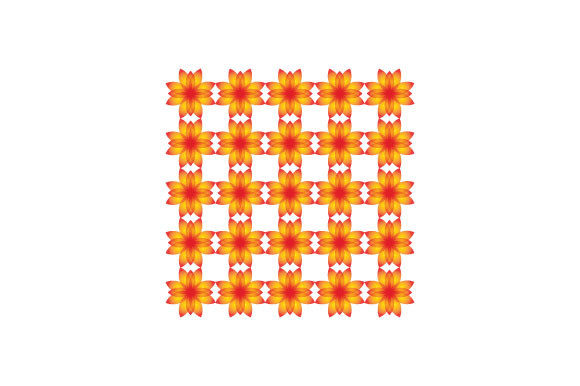
Simple flower patterns offer a versatile and elegant solution for a wide range of design applications. Whether you're working on a digital project, print media, or textile creation, these patterns provide a timeless aesthetic that can be adapted to various styles and purposes. The combination of orange and yellow gradations in the provided designs adds warmth and vibrancy, making them ideal for seasonal themes, branding elements, or artistic expressions.
For designers looking to incorporate natural motifs into their work, simple flower patterns serve as a foundation for creativity. These designs often feature clean lines, balanced compositions, and subtle details that enhance visual appeal without overwhelming the viewer. The availability of multiple file formats ensures compatibility with different design software and production requirements.
Understanding Simple Flower Patterns
Simple flower patterns are characterized by their minimalistic approach to floral imagery. Unlike intricate or detailed floral designs, these patterns focus on essential shapes and forms, allowing for greater flexibility in application. The use of color gradients, such as orange to yellow, introduces depth and dimension, making the patterns more engaging and visually dynamic.
The simplicity of these designs also makes them easier to scale and modify. Whether you're creating a logo, background texture, or decorative element, the clean structure of the pattern allows for seamless integration into various projects. This adaptability is especially valuable for designers who need to maintain consistency across multiple platforms and mediums.
One of the key advantages of simple flower patterns is their ability to evoke a sense of calm and positivity. The warm tones of orange and yellow are associated with energy, creativity, and optimism, making them suitable for projects that aim to inspire or uplift. This emotional resonance can be leveraged in both commercial and personal design endeavors.
Applications of Simple Flower Patterns
Simple flower patterns find applications in numerous creative fields. In graphic design, they can be used as backgrounds, borders, or accents in posters, brochures, and websites. Their minimalist nature ensures that they do not distract from the primary content while still adding a touch of elegance and visual interest.
In the realm of textiles and fashion, these patterns are popular for creating prints on clothing, accessories, and home décor items. The high-resolution 300ppi PNG files provided ensure that the patterns maintain clarity and sharpness when printed at various sizes. This makes them suitable for both small-scale and large-scale production.
For digital artists and illustrators, the EPS file format offers vector-based scalability, allowing for precise adjustments and modifications without loss of quality. This is particularly useful when designing for different screen sizes or resolutions, ensuring that the pattern remains crisp and professional in any context.
Additionally, simple flower patterns can be used in educational materials, such as worksheets, lesson plans, or children's books. Their bright colors and clear shapes make them effective tools for engaging young learners and reinforcing concepts through visual representation.
Advantages of Using Simple Flower Patterns
One of the main benefits of using simple flower patterns is their ease of use. Unlike complex or highly detailed designs, these patterns require less time and effort to implement. This efficiency is especially beneficial for designers working on tight deadlines or managing multiple projects simultaneously.
Another advantage is their universal appeal. The combination of orange and yellow creates a harmonious and inviting visual effect that can be appreciated across different cultures and demographics. This broad appeal makes the patterns suitable for a wide range of audiences, from casual consumers to professional clients.
Moreover, simple flower patterns are often more cost-effective than custom-designed alternatives. By using pre-made patterns, designers can save time and resources while still achieving a high-quality result. This accessibility makes them an attractive option for independent creators, small businesses, and hobbyists who may have limited budgets.
Considerations When Using Simple Flower Patterns
While simple flower patterns offer many benefits, it's important to consider their limitations. For instance, their minimalistic nature may not be suitable for projects that require bold or dramatic visual statements. In such cases, more elaborate or stylized patterns may be more appropriate.
Designers should also be mindful of copyright and licensing restrictions when using pre-made patterns. It's essential to verify the terms of use to ensure that the patterns can be legally incorporated into the intended project. Some patterns may require attribution or may be restricted to specific usage scenarios.
Furthermore, the choice of color and composition should align with the overall design theme. While orange and yellow gradations are versatile, they may not complement all color schemes or design styles. Testing the pattern in different contexts can help determine its effectiveness and suitability.
Finally, maintaining a balance between simplicity and uniqueness is crucial. While the simplicity of the pattern is its strength, overusing it without variation can lead to a lack of originality. Designers should experiment with different arrangements, layering, or combining the pattern with other elements to create a more distinctive and personalized outcome.
Best Practices for Incorporating Simple Flower Patterns
To maximize the effectiveness of simple flower patterns, consider the following best practices. First, start by understanding the purpose of the design. Are you aiming for a decorative, functional, or thematic element? This will guide your selection and application of the pattern.
Next, experiment with different scales and placements. A small, repeating pattern may work well as a background, while a larger, more prominent design could serve as a focal point. Adjusting the size and position of the pattern can significantly impact the overall visual hierarchy and composition.
Additionally, pay attention to the surrounding elements. The pattern should complement other design features rather than compete with them. This includes considering typography, color contrast, and spacing to ensure a cohesive and balanced layout.
Lastly, don't hesitate to customize the pattern to suit your needs. Many design software programs allow for adjustments to color, opacity, and alignment, giving you greater control over how the pattern interacts with the rest of the design.