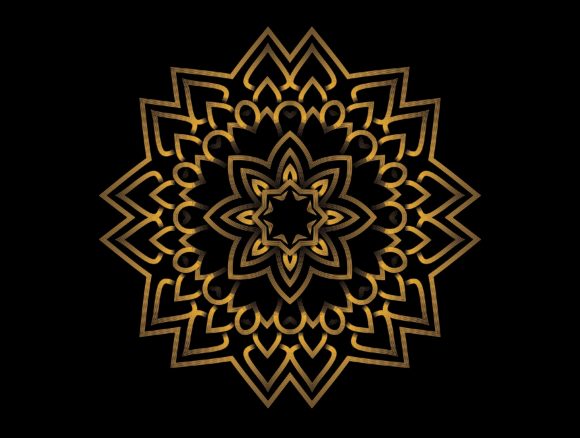
Mandala with Twin Leaf Patterns: A Versatile Design for Modern Creativity
The Mandala with Twin Leaf Patterns is a striking design that blends intricate artistry with functional versatility. This pattern, characterized by its symmetrical and flowing elements, offers a unique aesthetic that can enhance a wide range of creative projects. Whether you're looking to decorate your home, create wedding invitations, or design henna patterns, this mandala-style artwork provides a rich foundation for inspiration and application.
Understanding the Mandala with Twin Leaf Patterns
Mandala designs have long been associated with spiritual and meditative practices, but they also serve as powerful visual motifs in contemporary design. The twin leaf pattern adds an extra layer of symbolism and elegance, often representing balance, growth, and harmony. These elements are arranged in a circular format, creating a focal point that draws the eye and invites contemplation.
Each leaf in the pattern is carefully crafted to mirror its counterpart, emphasizing symmetry and precision. This attention to detail makes the design ideal for applications where visual coherence is essential, such as in textile arts, graphic design, and decorative crafts.
Applications of the Mandala with Twin Leaf Patterns
The adaptability of the Mandala with Twin Leaf Patterns is one of its greatest strengths. It can be used across various industries and personal projects, making it a valuable asset for designers, artists, and hobbyists alike. Here are some of the most common uses:
- Home Decoration: The design can be printed on wall art, cushions, or curtains to add a touch of sophistication and cultural richness to any space.
- Wedding Supplies: From invitations to table settings, the mandala pattern brings a sense of elegance and tradition to special occasions.
- Henna Paintings: Artists often use this design for henna body art, especially during celebrations and cultural events, where the intricate details enhance the overall beauty of the artwork.
- Knits and Textiles: The pattern works well in knitting, embroidery, and fabric printing, offering a timeless look that appeals to both traditional and modern tastes.
- Tablecloths and Linens: Incorporating the design into tableware adds a unique flair to dining spaces, whether for everyday use or special gatherings.
These applications highlight how the Mandala with Twin Leaf Patterns can seamlessly integrate into different aspects of life, from personal expression to professional design work.
Technical Aspects: File Formats and Usability
For those looking to incorporate this design into their projects, the availability of multiple file formats ensures flexibility and accessibility. The pattern is typically provided in two main formats: JPEG and AI.
The JPEG file is ideal for quick use in digital platforms, such as social media, websites, or print-on-demand services. Its high resolution allows for clear and vibrant output, making it suitable for both online and offline applications.
On the other hand, the AI (Adobe Illustrator) file offers more control for designers who need to edit or scale the image without losing quality. This format is particularly useful for customizing the design, adjusting colors, or integrating it into larger compositions.
Whether you're a professional designer or a DIY enthusiast, having access to these file types ensures that the Mandala with Twin Leaf Patterns can be adapted to meet your specific needs.
Designing with the Mandala Pattern: Tips and Considerations
When working with the Mandala with Twin Leaf Patterns, there are several factors to consider to maximize its effectiveness. First, the scale of the design plays a crucial role in how it appears in different contexts. For example, a large-scale mandala might be more appropriate for a wall mural, while a smaller version could work well on a piece of jewelry or a greeting card.
Color choice is another important aspect. While the original design may feature traditional hues, experimenting with different palettes can give the pattern a fresh and modern look. Bright colors might suit contemporary interiors, while muted tones could complement more minimalist or natural-themed spaces.
Additionally, the placement of the design within a composition should be intentional. The central focus of the mandala makes it a strong element in any layout, but it should be balanced with other visual elements to avoid overwhelming the viewer.
Why Choose the Mandala with Twin Leaf Patterns?
The Mandala with Twin Leaf Patterns stands out due to its blend of cultural significance and practical utility. It’s not just a beautiful design—it’s a tool that can elevate the aesthetics of any project. Whether you’re creating something for personal enjoyment or commercial use, this pattern offers a level of depth and versatility that few others can match.
Its widespread appeal also means that it can resonate with a broad audience. People who appreciate art, spirituality, or nature-inspired designs will find value in this pattern. At the same time, its adaptability makes it accessible to those who may not have a deep understanding of its origins but still want to incorporate it into their work.
By choosing the Mandala with Twin Leaf Patterns, you’re not only selecting a visually appealing design—you’re embracing a symbol of balance, creativity, and connection.